







Metallurgy: The Art and Science Behind Precious Metals
At Xemplare, we believe that exceptional jewellery begins with exceptional materials. Precious metals are the foundation of fine jewellery - celebrated for their lustre, rarity, and timeless appeal. Their unique properties not only shape the design but also determine how a piece feels, wears, and endures over time. Here, we explore the precious metals most commonly used in our craft, their distinct characteristics, and how to best care for them.
Gold: A Timeless Classic in Endless Variations
Gold has captivated civilizations for millennia. Naturally rich in colour and highly malleable, pure gold (24ct) is too soft for most jewellery, so it is alloyed with other metals to enhance strength while introducing a spectrum of colours.
Gold Alloys
18ct (75% pure) – The ideal balance of luxury and durability.
14ct (58.5% pure) – A more accessible option with excellent resilience.
9ct (37.5% pure) – The most economical, offering everyday wearability.
Colours of Gold
The alloying elements influence both hue and hardness:
Yellow Gold – A traditional blend of gold, silver, and copper.
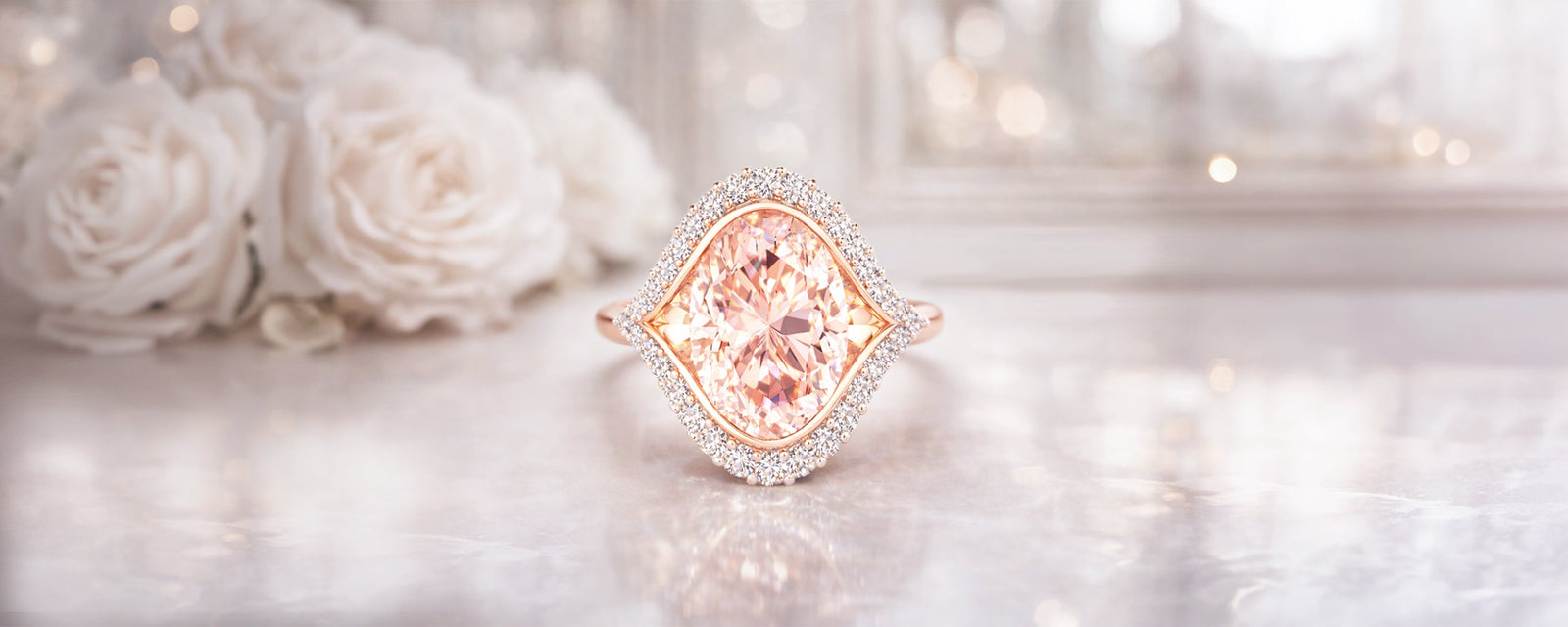
Rose Gold – Infused with more copper to impart a romantic blush.
White Gold – Alloyed with palladium for a silvery sheen, often rhodium-plated for added brightness.
Just like a favourite recipe, there are countless ways to create a gold alloy. The key is precision - ensuring that the carat is true and the alloy is crafted for both beauty and longevity.
Silver: Brilliant, Versatile, and Affordably Elegant
Silver offers a luminous white shine and timeless appeal. In jewellery, the most common forms are:
Sterling Silver (925) – Comprising 92.5% silver and 7.5% alloy, usually copper, to strengthen the metal while maintaining its brilliance.
Fine Silver (999) – Almost pure, but softer, making it suitable for select, low-wear designs.
Silver is especially popular for its approachable luxury and adaptability across classic and contemporary collections.
Platinum: The Pinnacle of Prestige
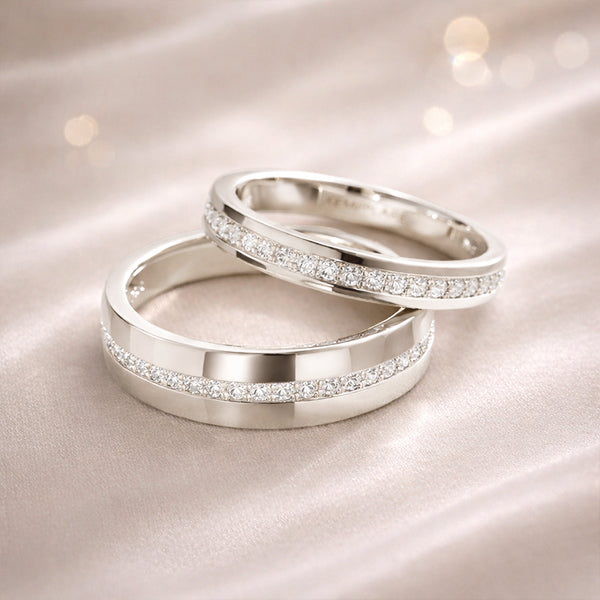
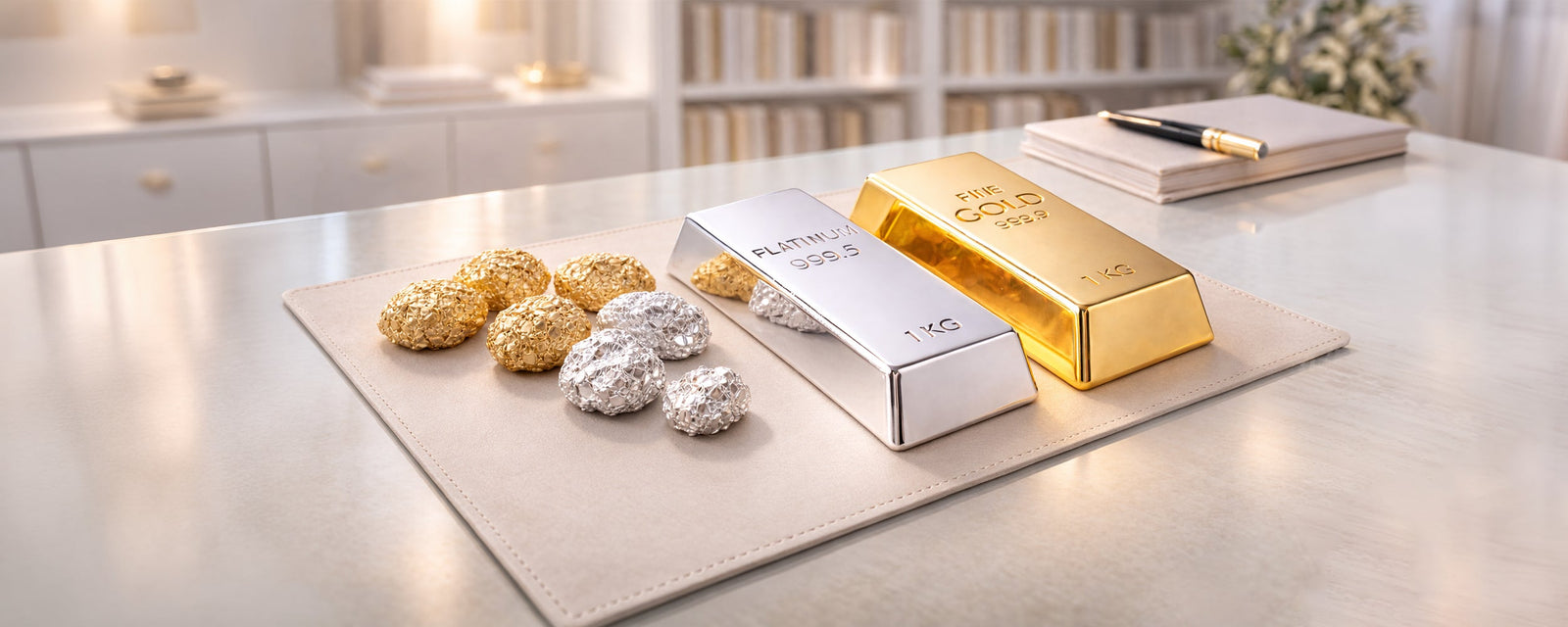
Renowned for its density and durability, platinum is naturally white, hypoallergenic, and resistant to tarnish. Around 11% heavier than gold, it has a distinct weight and feel—often reserved for the most treasured pieces like engagement rings and wedding bands.
Over time, platinum develops a soft patina—a subtle finish that speaks to the story of the wearer while retaining its integrity.
Palladium: Light, Contemporary, and Hypoallergenic
A member of the platinum group, palladium offers many of platinum’s benefits—strength, purity, and resistance to tarnish—in a lighter form. It's an elegant choice for modern minimalists and is often used to create white gold alloys.
Other Noteworthy Metals
Rhodium – Rare and highly reflective, rhodium is used as a plating for white gold and silver to enhance brilliance and resist tarnish.
Titanium – Lightweight yet incredibly strong, titanium is ideal for sleek, contemporary styles. It's also hypoallergenic.
Alloys and Nickel Sensitivities
Alloys enhance a metal’s workability, strength, and colour - but not all combinations are skin-friendly. Nickel, commonly used in white gold alloys, is a known allergen for many.
At Xemplare, we ensure all materials comply with international standards, including Europe’s REACH regulation, which limits nickel release to reduce allergic reactions. Where possible, we opt for hypoallergenic alternatives like platinum, palladium, titanium, and rhodium plating.
Oxidation and Tarnish: What to Expect
Silver – Prone to tarnishing over time as it reacts with sulphur in the air, forming a darkened surface.
Gold – Generally resists tarnish in higher caratages, though certain alloys of low caratage may dull and oxidise with age.
Platinum – Does not oxidise but will develop a soft, matte patina over time.
Preventative care – Storing jewellery in airtight or anti-tarnish pouches helps reduce oxidisation and preserve brilliance.
Caring for Precious Metal Jewellery
With thoughtful care, your jewellery will retain its beauty for generations: