






Diamond and Gemstone Durability: Understanding Hardness and Care
When selecting fine jewellery, understanding a gemstone’s durability is just as important as its beauty. Durability influences everyday wear, cleaning, and long-term investment value. From the world’s hardest diamond to the delicate charms of a morganite, each stone has unique characteristics that determine how it performs over time.
Hardness vs. Durability: What’s the Difference?
While often used interchangeably, hardness and durability measure different properties of gemstones:
Hardness – Measured on the Mohs scale (1–10), hardness indicates a gem’s resistance to scratching. Diamonds, for example, rank at 10, making them the hardest natural material known.
Durability – A broader concept that includes hardness, toughness, and stability. Toughness describes resistance to breaking or chipping, while stability covers resistance to heat, light, chemicals, and solvents.
A gemstone can be very hard but not very tough. For instance, a diamond is extremely hard but can cleave if struck along its crystal plane. Conversely, a jadeite jade may be softer (6.5–7 on Mohs scale) but extremely tough and resistant to breaking.
Diamond Durability
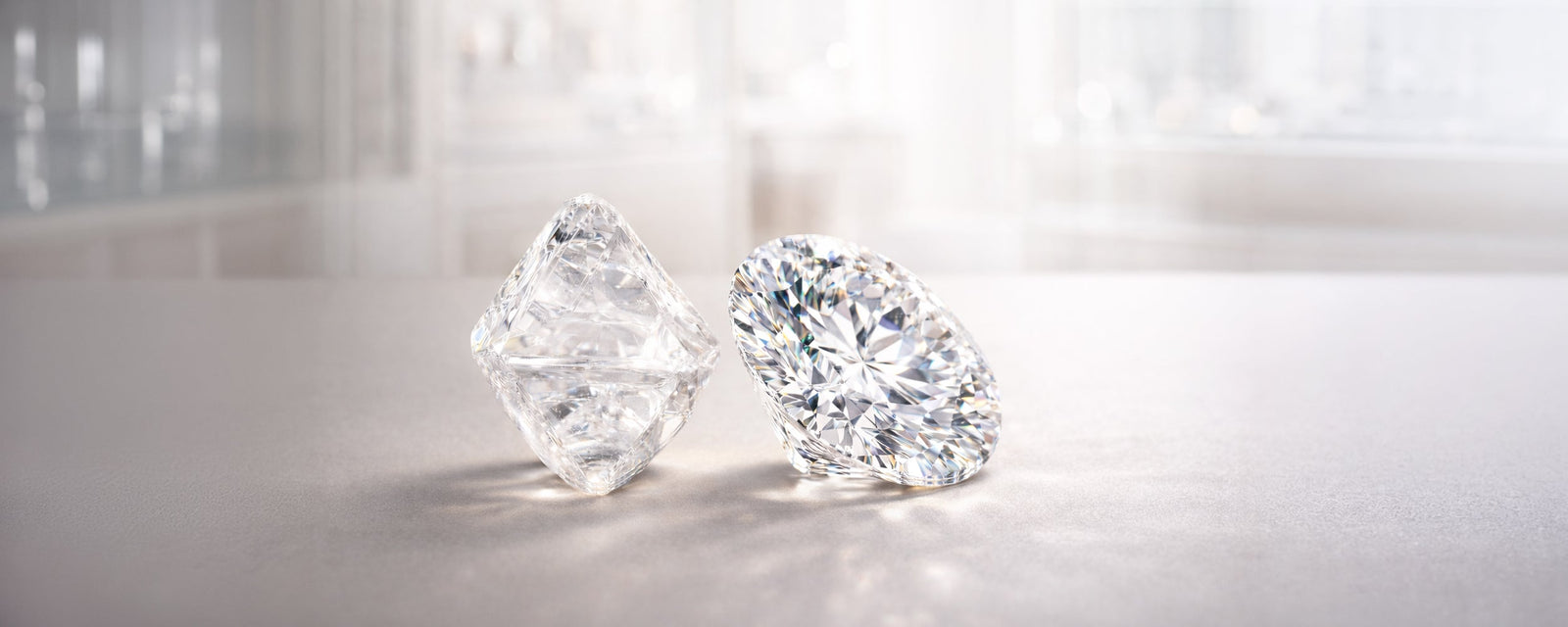
Mohs Hardness: 10
Toughness: High, but cleaves along certain planes; careful setting avoids impact along cleavage directions.
Stability: Excellent; resistant to heat, chemicals, and UV light.
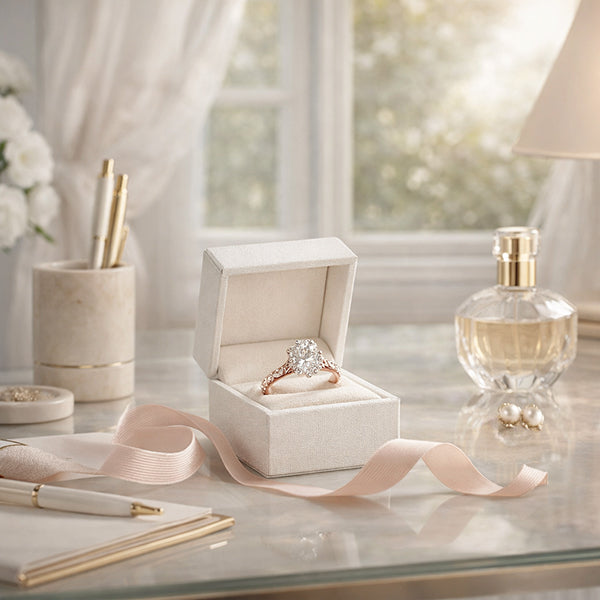
Diamonds are ideal for engagement rings and daily wear jewellery due to their exceptional hardness. Despite their toughness, it is still wise to avoid hard knocks and store them securely.
Factors Affecting Durability
Inclusions & Internal Stress – Even hard stones like diamonds can chip if internal flaws align with an impact.
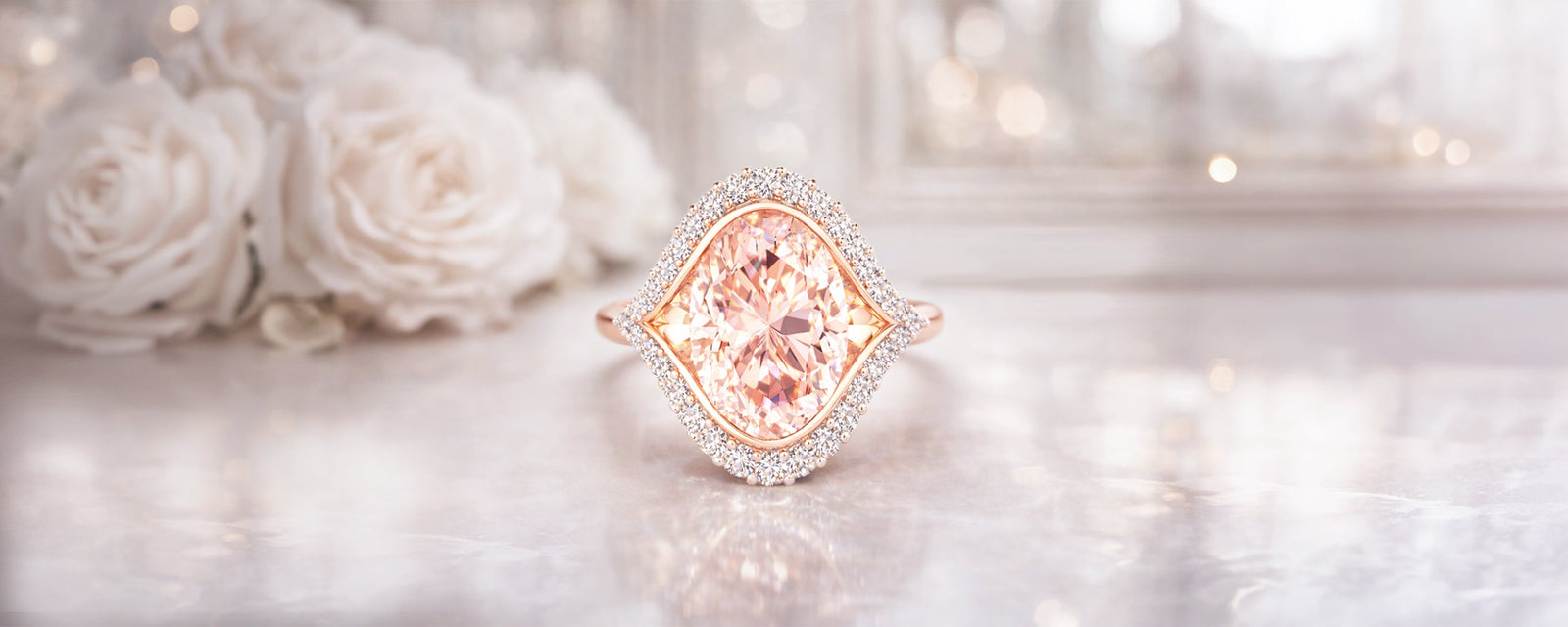
Cut & Setting – Sharp corners and thin edges are more susceptible to damage. Protective settings like bezels or halos can improve durability.
Environmental Exposure – Heat, UV light, acids, and chemicals can alter colour, clarity, or surface finish in sensitive gemstones.
Daily Wear – Rings face more knocks than pendants or earrings, so gemstone selection should consider lifestyle.
Selecting the Right Gemstone for Your Lifestyle
When choosing fine jewellery, consider:
For daily wear: Diamonds, sapphires, rubies, spinels, and high-toughness beryl stones.
For occasional wear: Tanzanite, topaz, tourmaline, and emeralds (with protective settings).
For delicate or statement pieces: Opals, pearls, and other soft or brittle stones.

Our Commitment
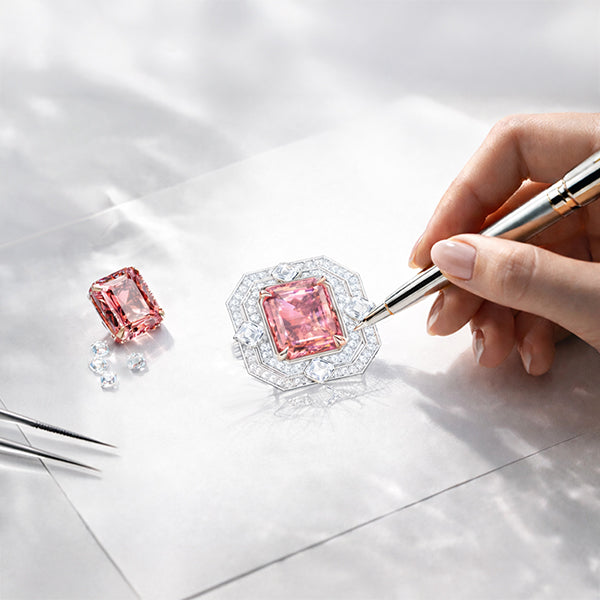
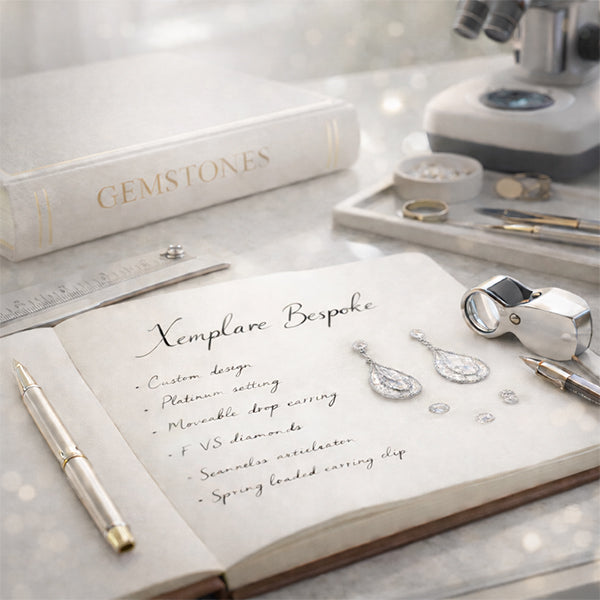
At Xemplare, we carefully match gemstones not only for beauty but also for longevity. Each stone is assessed for hardness, toughness, and stability, ensuring your jewellery is not just exquisite, but built to endure a lifetime of admiration.
Understanding gemstone durability transforms luxury into lasting beauty. When you know how to care for your gems, every piece becomes an heirloom in the making.